At Bodycentric Healing Arts, our bodywork therapies are designed to support structural integrity, nervous system balance, and functional ease.
Moving beyond relaxation alone, these hands-on modalities work with the body’s architecture to release restrictions, restore alignment, and enhance your natural capacity for resilience.
Each session is thoughtfully individualized, guided by clinical discernment and attuned presence.
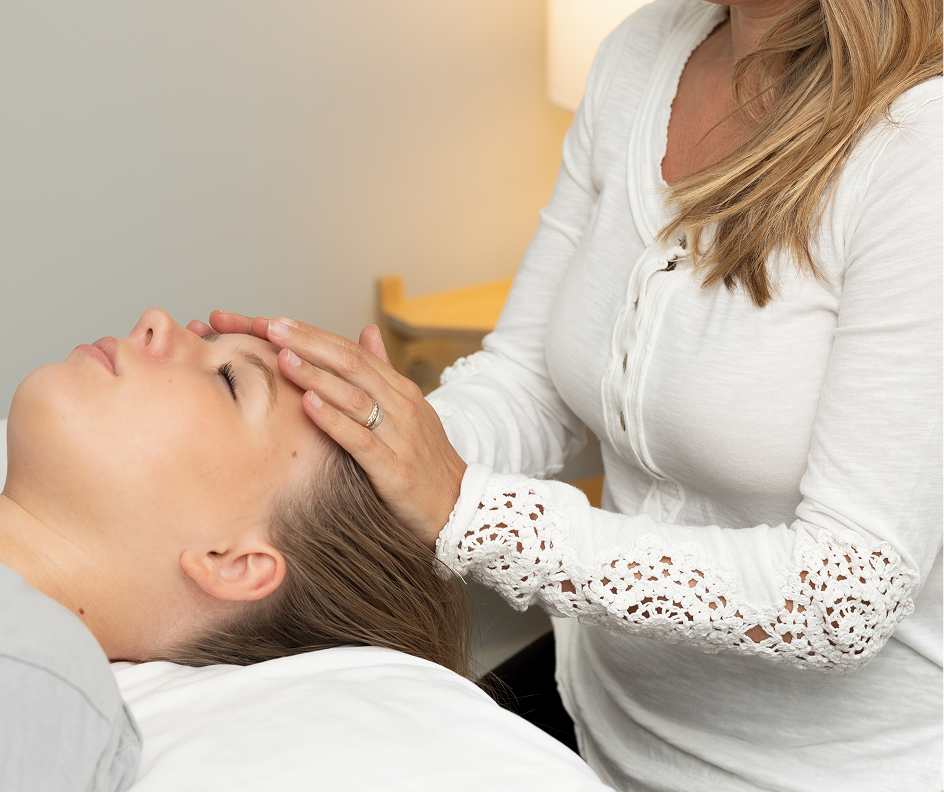
Craniosacral Therapy is a gentle, light-touch modality that releases restrictions throughout the craniosacral system — the delicate network of the skull, spine, sacrum, intracranial membranes, fascia, and the cerebrospinal fluid that nourishes the brain and nervous system. Using subtle yet precise hand placements, most often at the head, spine, sacrum, or hips, the practitioner helps ease tension patterns that influence the entire body.
This refined approach supports the body’s innate healing response by enhancing the flow of cerebrospinal fluid, calming the nervous system, and restoring balanced physiological rhythm.
Craniosacral Therapy may support:
Sessions are received fully clothed in a calm, professionally held environment. Gentle holds at the head, spine, or sacrum promote deep settling and regulation. Clients often leave feeling more organized, grounded, and internally aligned.
Though Craniosacral Therapy may feel deeply energetic in nature, it is a subtle manual therapy rooted in anatomical and physiological principles. For modalities that work directly within the human energy field, please visit our Energy Healing page.
Integrative Bodywork Therapy is a comprehensive, clinically informed approach to restoring structural balance, relieving pain, and improving functional movement. Each session is a focused therapeutic experience designed to assess and address the root contributors to discomfort — whether related to postural strain, nerve compression, soft-tissue injury, chronic tension, or movement dysfunction.
Working with multiple layers of muscle and connective tissue, this modality supports both structural correction and nervous system regulation. Treatment may incorporate specialized methods such as Myoskeletal Alignment Therapy, Structural Integration, Craniosacral Therapy, Neuromuscular Therapy, Visceral Manipulation, and Myofascial Release. Each technique is selected intentionally based on your presentation and clinical findings.
Integrative Bodywork may support:
Rather than applying a routine sequence, sessions are individualized and responsive to your body’s evolving needs. This precision-based approach promotes measurable improvements in tissue quality, joint mobility, and neuromuscular coordination.
Over time, clients often experience greater ease of movement, reduced pain, improved resilience, and enhanced confidence in their physical well-being.
Restoring Mobility, Comfort, and Function Through Gentle Fascial Scar Therapy
Scars tell the story of healing, but they can also continue to influence how the body moves and feels long after the original injury has healed. ScarWork is a specialized manual therapy designed to improve the mobility, pliability, and function of scar tissue following surgery, injury, burns, or other tissue trauma.
Serena Morris has completed advanced training in ScarWork with Sharon Wheeler, the developer of this internationally recognized approach.
Understanding Scar Tissue
Scar tissue is a natural part of the healing process, but it does not always remodel optimally. As a scar matures, it may develop adhesions or changes within the fascial system that contribute to restricted movement, discomfort, altered sensation, or compensatory movement patterns.
Because fascia forms a continuous connective tissue network throughout the body, restrictions associated with a scar may influence areas well beyond the scar itself. Even long-healed scars can sometimes contribute to unexpected patterns of tension or limited mobility.
The ScarWork Approach
ScarWork uses exceptionally gentle, precise manual techniques to assess and improve the mobility of scar tissue and the surrounding fascial layers. Unlike many forms of scar massage, the work relies on subtle tissue listening and responsiveness rather than pressure or force.
Treatment focuses on restoring healthy tissue glide while supporting the body’s natural adaptability and movement.
Potential Benefits of ScarWork
Conditions Commonly Treated
ScarWork may be beneficial for fully healed scars resulting from:
An Individualized Treatment Approach
ScarWork is integrated into a comprehensive clinical assessment and treatment plan. Depending on your needs, treatment may be combined with Serena’s training in Anatomy Trains Structural Integration, Myofascial Therapy, CranioSacral Therapy, and Manual Lymphatic Drainage to support optimal tissue mobility and whole-body function.
Every scar—and every person—is unique. Treatment is individualized according to your medical history, functional goals, and tissue presentation. While many scars continue to respond positively years or even decades after they were formed, every scar heals differently, and results vary from person to person.
Safety Considerations
ScarWork is performed only on fully healed, closed scars and is not a substitute for medical evaluation or treatment. If you have questions about whether ScarWork is appropriate for your situation, we are happy to discuss your needs before scheduling an appointment.
Bodywork sessions at Bodycentric Healing Arts are guided with precision, presence, and deep respect for your system’s readiness. Each experience unfolds at a pace that supports both therapeutic effectiveness and sustainable integration.
You may expect:
Many therapies may be thoughtfully complemented by additional modalities available at Bodycentric Healing Arts, allowing your care plan to be both comprehensive and precisely tailored.
Clients often leave feeling more aligned, settled, and restored — as the body and nervous system reestablish their natural capacity for balance and resilience.