
by Krista Kulchinsky
What if a gentle, calming touch could help your brain and nervous system heal? Or someone you love?
If you or someone you care about is recovering from a traumatic brain injury, concussion, stroke, or even birth related stress, you may be searching for supportive, non-invasive ways to help the body and brain reconnect and heal.
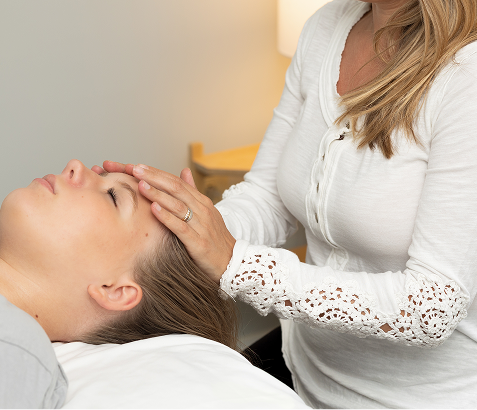
While it may seem surprising, gentle, hands-on bodywork—especially around the head and spine—can have effects deep within the body. This kind of work doesn’t force change. Instead, it listens.
With advanced training—including specialized methods used in brain-focused therapies and training by the Chikly Health Institute —practitioners can tune in to subtle patterns within the body. They may notice where things feel restricted or where natural movement and flow could be supported. From this place of awareness, the work becomes a collaboration with your body, rather than something being done to it.
This allows therapists to work with, not against, the body’s natural rhythms. In doing so, they can help support communication between different parts of the brain and nervous system—something that is often disrupted after injury, trauma, or post-concussion recovery.
Practitioners trained in this work have a deep understanding of how different parts of the brain and nervous system influence movement, coordination, sensory processing, and emotional balance. It can be reassuring to know this work is grounded in thoughtful, advanced training and informed by detailed knowledge of brain anatomy and physiology.
This type of therapy is often combined with other gentle, supportive techniques such as CranioSacral Therapy, visceral work, fascial mobilization, and lymphatic drainage. Together, these approaches can support the body as a whole—encouraging better circulation, improved fluid movement, and a greater sense of internal balance.
For those healing from traumatic brain injuries, sports-related impacts, neurological challenges, strokes, cerebral palsy, or other birth-related stress or trauma, this work may offer a meaningful layer of support. It can help the body release tension, improve internal communication, and reconnect systems that may feel out of sync.
Beyond physical recovery, many people also notice a shift in how they feel overall—more grounded, more at ease, and more connected within themselves.
By approaching the body as an interconnected whole, gentle therapeutic touch offers a pathway toward greater harmony—supporting not just the brain, but your overall sense of well-being.
If you’re curious whether this work may support you or someone you love, our practitioners are happy to help guide you toward the most appropriate therapeutic approach.